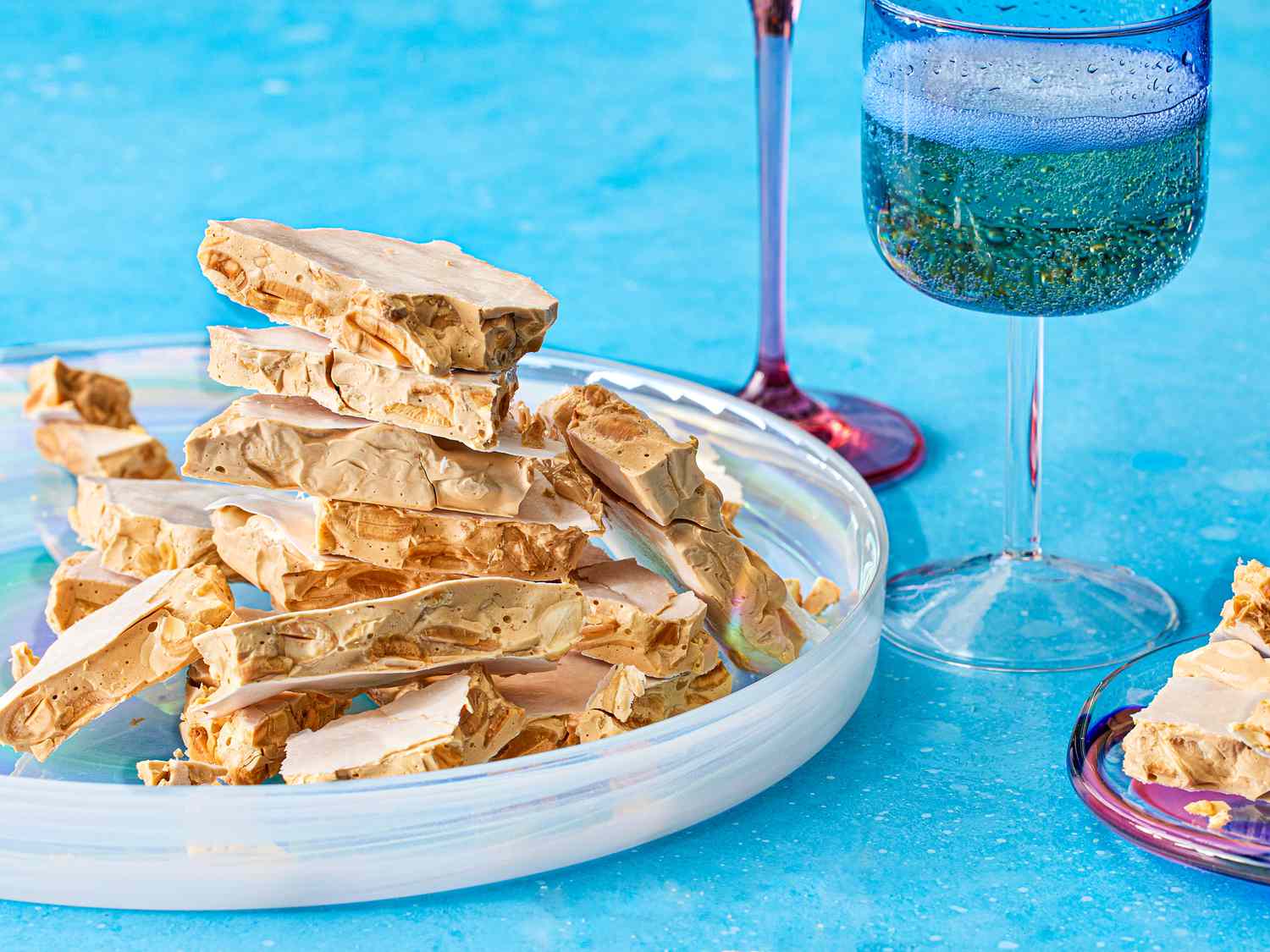
Selling Spanish Turron in South Korea: Import Playbook for Buyers
How Spanish turron can win shelf space in South Korea: demand signals, positioning, EU-Korea duty-free access and margin logic for importers and distributors.
Autor: Ispalo
Publicado: 2026-10-30
Spanish turron can work in South Korea as a seasonal premium confection, not as an everyday snack. The buyer case rests on three things: a confectionery market heading toward roughly 12.94 trillion yen in 2025, zero tariffs under the EU-Korea agreement since 2011, and Korean shoppers who actively pay for indulgent, giftable formats. The margin sits in positioning and pack format, not in fighting cheap almond nougat on price. Why is demand for Spanish turron growing in South Korea? Start with the category. The Korean sweets and snacks market is described as dynamic and growing, forecast at about 12.94 trillion yen in 2025, with strong demand for innovative products, local flavours and nutritious options. That is the pool turron competes in. It is a premium nut confection inside a market that rewards novelty and premium cues. Then look at how Koreans shop for treats. Consumers are highly interested in indulgent food and drink experiences, and that opens room for brands to build amplified 'luxury' experiences centred on flavour. Turron fits that brief almost too well: almond, honey, egg yolk, marzipan. It is dense, rich and visually distinct from anything on a Korean confectionery shelf. The chocolate adjacency matters too. The Korean chocolate market is projected to grow from $732.06 million in 2026 to $824.68 million by 2031, at a 2.41% CAGR, driven by premium dark chocolate. That is not a turron number. It is a signal about where premium confection money is moving: darker, more bitter, more grown-up flavour profiles. Turron's almond base and low reliance on milk chocolate sit comfortably in that direction. How does the trade route actually work? This is the part that makes the maths work. Since 2011, the EU-Korea trade agreement has removed customs duties on almost all products, and it has also cleared many non-tariff obstacles to EU exports. For a Spanish turron exporter, that means the landed cost is not carrying a duty line the way it would into many other market
Sigue leyendo en el Atlas
Preguntas frecuentes
Is turron already sold in Korean stores?
Spanish confectionery has a foothold in Korea, but turron does not yet have the shelf presence that Spanish semi-dried figs have built in premium grocery and health-and-beauty channels. The fig category shows Korean shoppers will pay 8,900 to 9,650 KRW for a premium Spanish fruit confection in 300g to 500g formats, which is the closest benchmark for a turron tablet.
What duties apply to Spanish turron entering South Korea?
Under the EU-Korea free trade agreement in force since 2011, customs duties have been eliminated on almost all products, and many non-tariff barriers to EU exports have also been removed (trade.ec.europa.eu). Confirm the specific HS classification and origin documentation with your customs broker before the first shipment.
When is the right time to launch turron in Korea?
Q4, built around Christmas and the Korean gift-giving calendar. In Spain the turron channel concentrates demand around the Christmas period more sharply than comparable seasonal confectionery because it has almost no off-season substitute (raizandina.com). Plan the retail listing and corporate-gifting conversations for September and October, not December.
Fuentes
- https://www.exportaciones.com.es/paises/corea-del-sur/
- https://spanish.visitkorea.or.kr/svc/contents/contentsView.do?vcontsId=140750
- https://trade.ec.europa.eu/access-to-markets/es/content/acuerdo-de-libre-comercio-ue-corea-del-sur
- https://www.raizandina.com/blog/espana-mercado-reus-reposteria-industrial
- https://oec.world/es/profile/bilateral-country/esp/partner/kor
- https://www.eximpedia.app/product-turron-import-data