Pimentón de la Vera: A High-Margin Spice for South Korea
South Korean buyers are discovering Pimentón de la Vera. Learn how this DOP paprika is priced, positioned, and imported for margin in a growing capsicum market.
Autor: Ispalo
Publicado: 2026-10-29
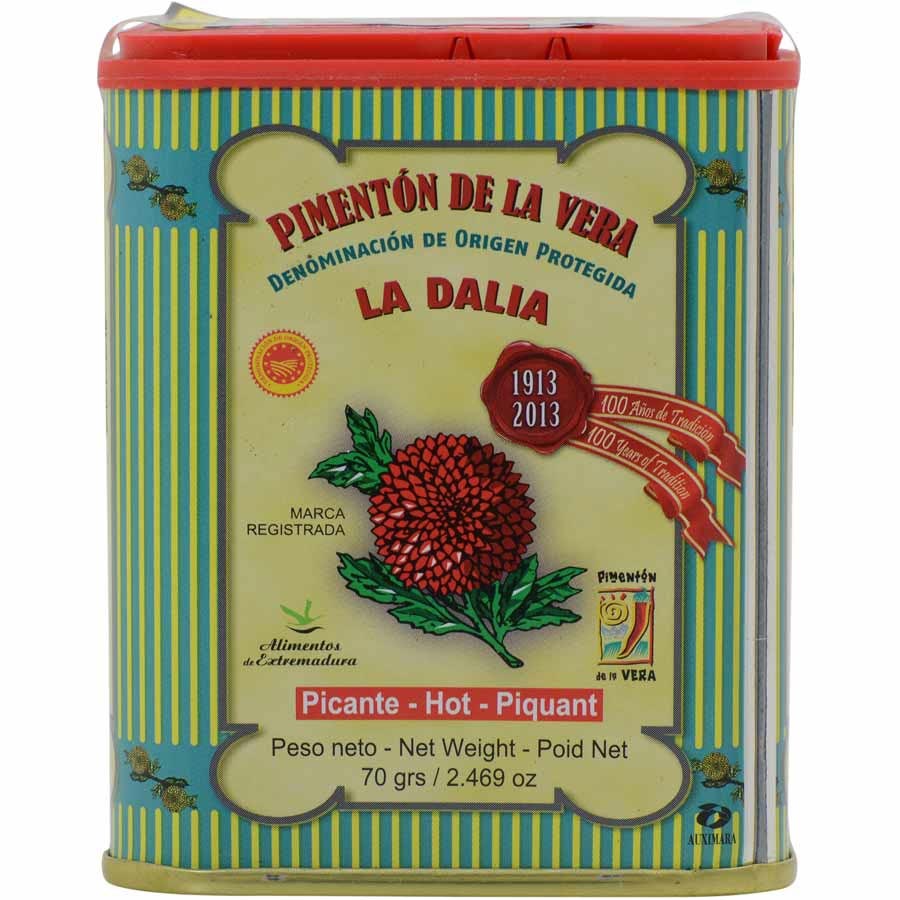
Pimentón de la Vera is a niche spice with real margin potential in South Korea. The market for capsicum products is growing at 4.12% CAGR, driven by demand for premium and functional foods. For importers, the play is education and format, not price competition. Why is demand for Pimentón de la Vera growing in South Korea? South Korea's capsicum market is expanding, with a compound annual growth rate of 4.12% according to Decisions Advisors . This growth is fueled by consumer interest in premium, natural, and functional ingredients. Pimentón de la Vera, a protected designation of origin (DOP) paprika from Spain, fits squarely into this trend. Its artisanal production, which involves oak-wood smoking, gives it a distinct aroma that sets it apart from mass-market paprika. The global spice trade operates on low volume and high value, as noted by FoodNavigator . This makes premium spices like Pimentón de la Vera attractive for importers seeking high margins. In South Korea, where consumers are increasingly adventurous with international flavors, the product has a clear opening. How is Pimentón de la Vera positioned on South Korean shelves? Currently, Pimentón de la Vera is not a mainstream item in South Korean retail. It appears primarily in specialty stores, online platforms, and HORECA channels. The product is available in various formats, including tins, bags, and sacks, directly from producers in Jaraíz de la Vera, according to the regulatory council . For example, a 1kg bag is marketed for both family consumption and hospitality use by LetMeShip . Pricing data specific to Pimentón de la Vera in South Korea is scarce, but we can look at analogous premium imported products. The Ispalo Price Index shows that organic dried fig sticks (20g) retail at 3,500 KRW in convenience stores, while semi-dried figs (300g) sell for 9,650 KRW. These figures indicate that South Korean consumers are willing to pay a premium for high-quality imported foods. What are South Korean importe
Sigue leyendo en el Atlas
Preguntas frecuentes
What is the difference between Pimentón de la Vera and regular paprika?
Pimentón de la Vera is a DOP-protected paprika from Spain, smoked over oak wood, which gives it a distinct aroma and flavor. Regular paprika may be sun-dried or artificially smoked and lacks the protected origin guarantee.
What import documentation is required for Pimentón de la Vera in South Korea?
Importers need a certificate of origin, phytosanitary certificate, and compliance with South Korean food safety standards. Working with an experienced customs broker is recommended.
What are the best-selling formats for Pimentón de la Vera in South Korea?
Small tins (75g-125g) are popular for retail, while 1kg bags are preferred by restaurants and food manufacturers. Both are available from Spanish producers.